The Opposite of Distraction
What is a “distraction” anyway? We usually think about them being external triggers…notifications on our phone, a honking horn from that car behind us, an ad that reminds us we’re hungry.
It’s easy to point fingers at technology, but the most common source of distraction is not what’s happening outside of us. It’s our internal state. We’re lonely or bored or uninspired or overwhelmed.
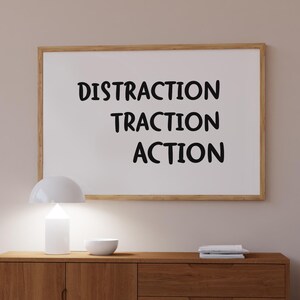
The best way to understand distraction is to know what it is not. What is the opposite of distraction? It’s not focus. The opposite of distraction is traction!
If you look at the origin of both words, they come from the same Latin root trahere, which means “to pull.” Traction is time spend in a way that pulls us toward a life we want. Distractions are things that pull us off course. The difference seems obvious, but distraction has a sneaky way of tricking us.
Everything that occupies our time has potential to be either traction or distraction. Sometimes it’s hard to tell whether we are moving toward or being pulled away from the things we need and want to accomplish in our day.
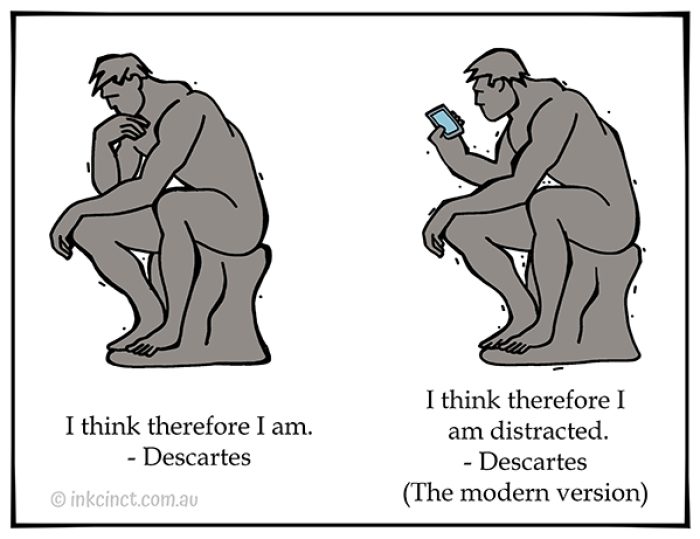
Being indistractable is making sure we achieve traction each day. It’s identifying when, why, and how we’ve been distracted and how it’s kept us from living the life we want.
Our time is our most precious resource and it’s non-refundable! We need to use it wisely… carefully… thoughtfully.
Seneca, the Roman philosopher, wrote “People are frugal in guarding their personal property; but as soon as it comes to squandering time, they are most wasteful of the one thing in which it is right to be stingy.” Although Seneca’s words are more than two thousand years old, they are just as applicable today.
P.S. It has also been said that the time you enjoy wasting is not wasted! So pick your take on this topic!
1 Comment
Great topic. I vow to have more traction.
Love and light,
Sandy