Replace those weak words!
Most of us will agree that words have power: the power to inspire, the power to hurt, the power to compel, the power to enrage. We no longer ascribe to the adage that “sticks and stones will break my bones, but words will never hurt me.”
And yet with some thought, I think we would also agree that some words are wimpy! And here are just a few to think about:
TRY: Try implies failure. If you say “I’ll try to call you tomorrow,” the person hears “I’ll call you tomorrow.” What you mean is that you may call tomorrow but you also might not call. And if you don’t call, you have failed to call and the person is angry.
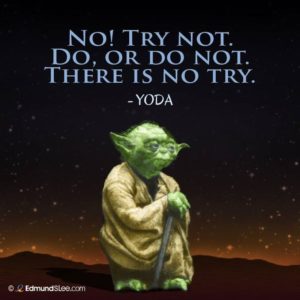
And if someone says to you, “I’ll try to get back to you soon,” you can respond with “Does that mean I will hear from you tomorrow?”
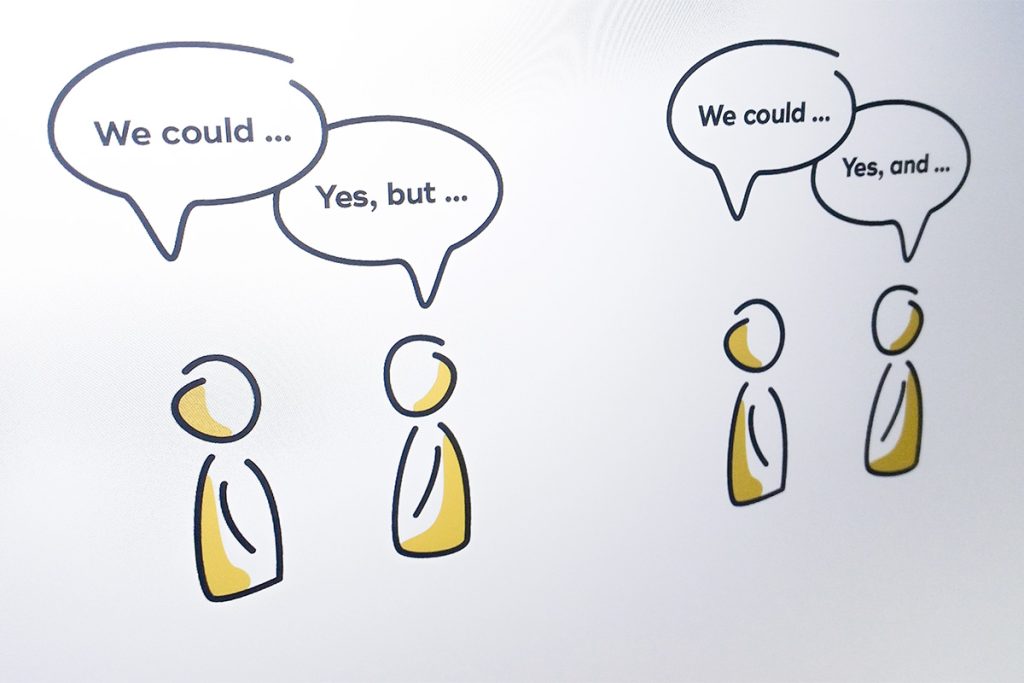
BUT: It is a very commonly used word that often negates what we say. In many cases, “but” precedes an objection. “We really like this house, but…” We often use “but” to give the impression that there is agreement, when in truth, we disagree. “But” negates everything that comes before it.
We could substitute the word “and” for the word “but” and change the situation to a positive. “We really like this house, and we would have to make a counter offer.”
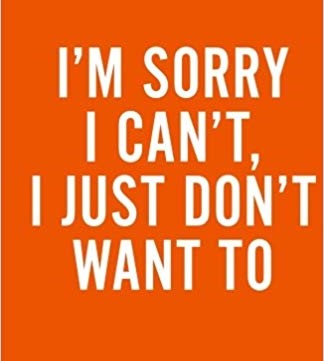
CAN’T: Can’t is often a catch-all word with multiple meanings. Specifically, “can’t” may mean “I’m physically unable to do that,” or “I don’t know how to do that,” or “I don’t want to do that.”
If you say “I can’t afford to do that, do you mean “you don’t have the money” or “you don’t really want to?”

SHOULD: One of the most frequently used words is “should.” In fact, our society “shoulds” us to death. We should lose weight, we should spend more time with our loved ones, we should save money.
When others use “should” they are often attempting to manipulate us or the situation, as in “You should have better control over your children.”
We often use “should” to make ourselves feel guilty. Replacing “should” with more helpful dialogue will lead to a kinder relationship with ourselves and better relationships with the people around us. We could say “I might…” or “I’d like to…” or, even better, ” I could…” Could implies choice and we always have a choice.
When we become aware of the words we use (and of those we would rather we hadn’t used!), we can choose to use more appropriate, more specific, and often more powerful words.